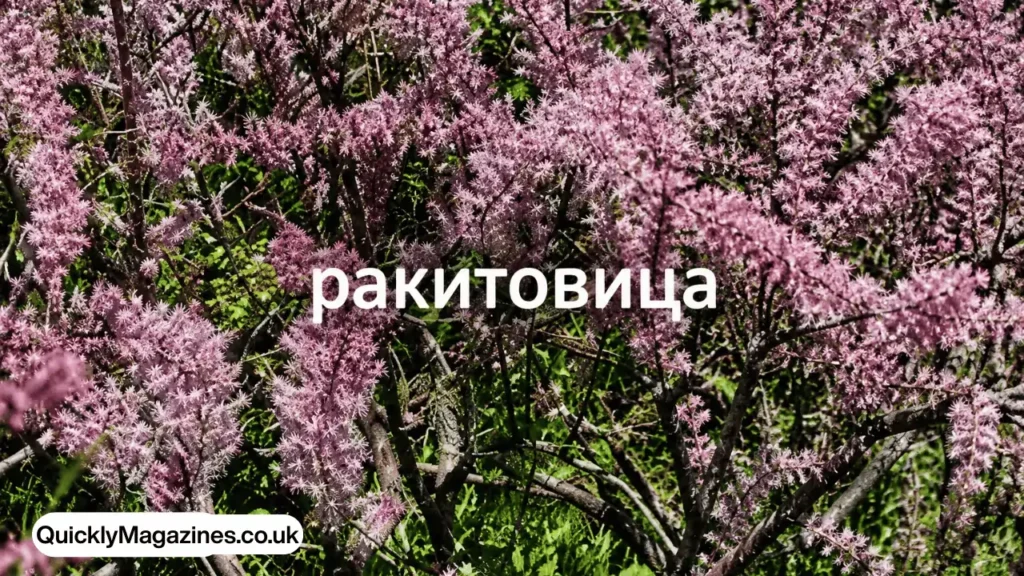

Introduction
Ракитовица is a name that carries deep connections to the history, landscape, and traditions of the Balkan region. While many people recognize Ракитовица as a village in Croatia, the name itself reflects a much broader story tied to nature, settlement patterns, and rural life. Understanding Ракитовица offers valuable insight into how geography, language, and culture have shaped communities across Southeastern Europe.
Small villages often preserve traditions that larger urban centers leave behind. Ракитовица stands as an example of how local heritage can survive through generations while maintaining a strong connection to the natural environment.
The Geographic Location of Ракитовица
A Village in Eastern Croatia
Ракитовица is located in eastern Croatia within Osijek-Baranja County. It is part of the municipality of Donji Miholjac, a region known for fertile agricultural land and traditional rural settlements.
The village covers an area of approximately 13.7 square kilometers and sits at an elevation of about 95 meters above sea level. Despite its modest size, Ракитовица represents an important piece of Croatia’s rural landscape.
Life in a Traditional Rural Community
Like many villages in the region, Ракитовица has historically depended on agriculture. Fields, pastures, and family-owned farms form a significant part of the local economy. The slower pace of life allows residents to maintain customs and social traditions that have been passed down for decades.
The village environment is characterized by open spaces, natural scenery, and strong community ties. These qualities continue to attract interest from people seeking authentic experiences beyond major tourist destinations.
The Meaning Behind the Name Ракитовица
Linguistic Origins
The name Ракитовица is derived from the Slavic word “rakita,” which refers to a type of willow tree commonly found near rivers, streams, and wetlands. Willow trees have played an important role in the daily lives of rural communities throughout the Balkans for centuries.
Because willow trees often grow in moist areas, settlements located near water sources frequently adopted names connected to this vegetation. As a result, names similar to Ракитовица can be found throughout several Slavic-speaking countries.
Connection Between Nature and Place Names
Historically, communities named locations according to prominent natural features. Forests, rivers, hills, and plant life often influenced local place names. In the case of Ракитовица, the association with willow trees suggests a landscape where these trees once grew abundantly.
This naming tradition provides valuable clues about historical environments and the relationship between people and the land they inhabited.
Historical Development of Ракитовица
Rural Settlements and Agricultural Growth
Throughout Balkan history, villages developed around access to fertile land and reliable water sources. Areas suitable for farming naturally attracted settlers, leading to the growth of communities such as Ракитовица.
Agriculture became the foundation of daily life. Families cultivated crops, raised livestock, and relied on seasonal work connected to the surrounding landscape. These practices helped sustain local populations and contributed to regional economic development.
Preserving Community Identity
One of the defining features of villages like Ракитовица is the preservation of local identity. Even as modernization transformed many aspects of society, rural communities continued to maintain customs, celebrations, and social traditions that reflected their unique heritage.
The continuity of these traditions helps connect present generations with their historical roots.
Traditional Crafts and the Role of Willow Trees
Willow as a Practical Resource
The willow tree associated with the name Ракитовица was more than a natural feature. It served as a valuable material for traditional crafts and household items.
Flexible willow branches were commonly used to create:
- Baskets
- Storage containers
- Fences
- Agricultural tools
- Decorative handmade products
These items were essential in everyday village life before mass-produced goods became widely available.
Craftsmanship and Cultural Value
Basket weaving and related crafts required skill, patience, and knowledge passed from one generation to another. In many rural communities, these techniques became part of local cultural identity.
Although industrial production reduced demand for handmade products, traditional weaving remains an important symbol of Balkan craftsmanship and heritage.
Environmental Importance of the Willow Landscape
Protecting Local Ecosystems
Willow trees play a significant role in maintaining healthy ecosystems. Their root systems help stabilize riverbanks and reduce soil erosion. This function is particularly important in regions where waterways influence agricultural activity.
The presence of willow vegetation also supports wildlife by providing shelter and nesting areas for birds and small animals.
Supporting Biodiversity
Natural environments connected to willow growth often contain a diverse range of plant and animal species. Preserving these habitats contributes to environmental sustainability and helps maintain the ecological balance of rural areas.
The connection between Ракитовица and willow landscapes highlights the close relationship between local communities and their natural surroundings.
Cultural Heritage and Local Traditions
Folk Customs and Celebrations
Villages throughout the Balkans are known for preserving folk traditions that reflect centuries of cultural development. Ракитовица is part of this broader heritage.
Traditional celebrations often include:
- Community gatherings
- Religious festivals
- Folk music performances
- Traditional cuisine
- Seasonal agricultural events
These activities strengthen social bonds and help maintain cultural continuity.
The Importance of Oral History
Stories passed down through generations play a major role in preserving local identity. Oral traditions often contain memories of historical events, family histories, and community values that may not appear in written records.
Such traditions contribute to the unique character of places like Ракитовица.
Tourism Potential of Ракитовица
A Destination for Rural Tourism
Modern travelers increasingly seek authentic cultural experiences away from crowded tourist centers. This trend has created opportunities for villages such as Ракитовица to attract visitors interested in rural tourism.
Travelers can explore local landscapes, experience traditional village life, and learn about regional customs that have survived for generations.
Connecting Visitors with Heritage
Rural tourism helps preserve cultural heritage by creating economic incentives to maintain traditions, crafts, and historical sites. Visitors gain a deeper understanding of local history while communities benefit from sustainable development opportunities.
For many people, places like Ракитовица offer a rare opportunity to experience the slower rhythms of traditional Balkan life.
Why Ракитовица Matters Today
Ракитовица represents more than a geographic location. It reflects the relationship between people, nature, and tradition that has shaped Balkan communities for centuries. From its connection to willow trees and traditional crafts to its role as a living example of rural heritage, the village carries historical and cultural significance that extends beyond its borders.
As interest in cultural preservation and sustainable tourism continues to grow, communities like Ракитовица provide valuable reminders of the importance of local identity, environmental stewardship, and historical continuity.
Frequently Asked Questions
1. What is Ракитовица?
Ракитовица is a village in Croatia and a place name rooted in Slavic linguistic traditions connected to willow trees.
2. What does the name Ракитовица mean?
The name comes from the Slavic word “rakita,” meaning willow tree, suggesting a connection to areas where willow trees grow naturally.
3. Where is Ракитовица located?
Ракитовица is located in Osijek-Baranja County within the municipality of Donji Miholjac in eastern Croatia.
4. Why are willow trees important to Ракитовица?
Willow trees influenced the village’s name and historically provided materials for basket weaving, fencing, and other traditional crafts.
5. Can tourists visit Ракитовица?
Yes. Visitors interested in rural tourism, local traditions, cultural heritage, and natural landscapes may find Ракитовица an interesting destination.
Read More: Wasatha: The Islamic Principle of Balance, Justice, and Moderation