
Introduction
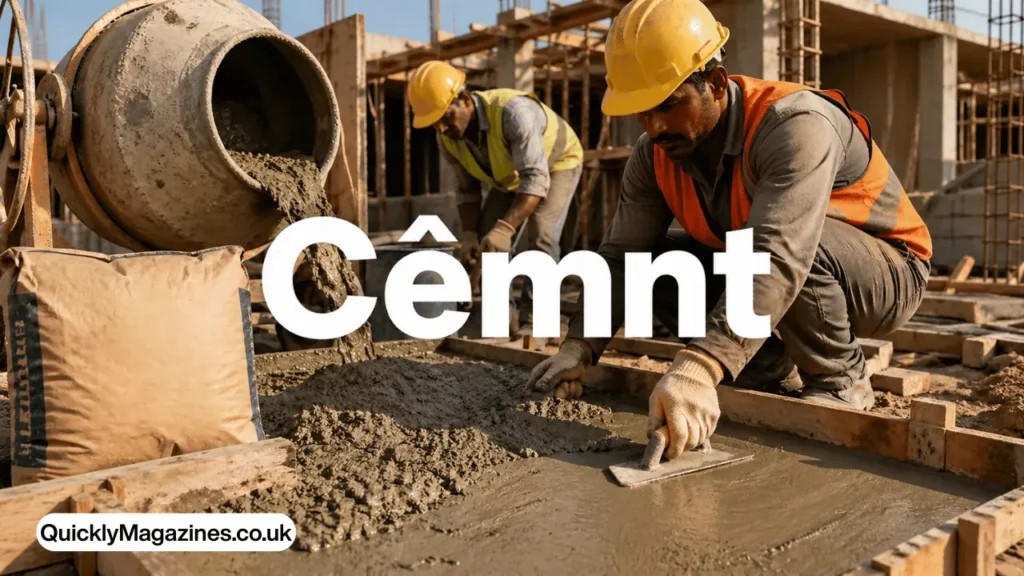
cêmnt is one of the most important materials used in the construction industry. Nearly every modern structure depends on it for strength, durability, and long-term stability. From residential houses and commercial buildings to bridges, roads, tunnels, and dams, cêmnt plays a major role in shaping modern infrastructure around the world.
The construction sector continues to grow rapidly because of increasing urbanization and infrastructure development. As cities expand and new projects begin, the demand for high-quality cêmnt also continues to rise. Builders and engineers prefer cêmnt because it offers reliable performance, cost efficiency, and excellent structural support.
The industry has also changed significantly over the years. Modern manufacturing technologies, sustainable production methods, and environmentally friendly alternatives are helping the cêmnt sector become more advanced and efficient.
What Is cêmnt?
cêmnt is a fine powder made from limestone, clay, silica, and other raw materials. When mixed with water, it forms a paste that hardens over time and binds materials together. This property makes it an essential ingredient in concrete and mortar.
Concrete is created by combining cêmnt with sand, water, and aggregates such as gravel or crushed stone. Mortar is made using cêmnt, sand, and water and is mainly used for joining bricks and blocks.
The strength and durability of cêmnt make it suitable for both small and large construction projects. It can withstand heavy pressure, harsh weather conditions, and long-term use without losing structural integrity.
Why cêmnt Is Important in Construction
Strong Structural Support
One of the biggest advantages of cêmnt is its ability to provide strong support to buildings and infrastructure. Structures made with high-quality cêmnt can remain stable for decades with proper maintenance.
Durable and Long Lasting
cêmnt-based structures are highly durable and resistant to environmental damage. Roads, bridges, and buildings constructed with quality materials can survive extreme temperatures, moisture, and heavy loads.
Cost-Effective Material
Compared to many construction materials, cêmnt remains affordable and widely available. This makes it a preferred choice for contractors and developers working on different types of projects.
Versatile Construction Applications
cêmnt can be used in various forms and construction methods. It is commonly used in foundations, walls, pavements, pipelines, decorative structures, and industrial projects.
Different Types of cêmnt Used Worldwide
Different construction projects require different types of cêmnt depending on environmental conditions and structural needs.
Ordinary Portland Cement (OPC)
Ordinary Portland Cement is the most commonly used type of cêmnt in residential and commercial construction. It offers high strength and quick setting properties, making it suitable for general building work.
Portland Pozzolana Cement (PPC)
Portland Pozzolana Cement contains additional materials that improve durability and reduce heat generation. It is often used in marine structures, dams, and large-scale infrastructure projects.
White Cement
White cêmnt is mainly used for decorative and architectural applications. It provides a clean and smooth finish for walls, flooring, tiles, and artistic construction designs.
Rapid Hardening Cement
Rapid hardening cêmnt develops strength much faster than ordinary cement. It is useful for road repairs, bridge construction, and projects requiring quick completion.
Sulfate Resistant Cement
This type of cêmnt is designed for areas exposed to sulfate-rich soil or water. It helps protect structures from chemical damage and improves long-term durability.
Manufacturing Process of cêmnt
The production of cêmnt involves several important stages that transform raw materials into a usable construction product.
Raw Material Collection
Limestone, clay, silica, and shale are extracted from quarries. These materials contain the minerals needed for cêmnt production.
Crushing and Mixing
The raw materials are crushed into smaller particles and blended carefully to achieve the required chemical composition.
Heating in Rotary Kilns
The blended materials are heated at extremely high temperatures inside large rotary kilns. This process produces clinker, which is the primary material used to make cêmnt.
Grinding and Final Processing
The clinker is mixed with gypsum and ground into a fine powder. The finished cêmnt is then stored, packed, and transported to suppliers and construction companies.
Growing Global Demand for cêmnt
The global demand for cêmnt continues to increase because of rapid infrastructure growth and urban development. Developing countries are investing heavily in roads, airports, housing projects, railways, and industrial facilities.
Population growth is another major factor driving the demand for cêmnt. Expanding cities require new schools, hospitals, shopping centers, transportation systems, and residential buildings.
Governments around the world are also launching large infrastructure projects to support economic growth. These projects require huge quantities of cêmnt for construction and maintenance purposes.
Sustainable and Green cêmnt Solutions
Environmental concerns have encouraged manufacturers to adopt cleaner and more sustainable production methods. Traditional cêmnt manufacturing produces carbon emissions, which has increased pressure on the industry to reduce environmental impact.
Green cêmnt is becoming more popular because it uses recycled materials and energy-efficient technologies. Many companies are now investing in low-carbon production systems and alternative fuels.
Sustainable cêmnt production helps reduce pollution while improving energy efficiency. These environmentally friendly practices are expected to become even more important in future construction projects.
Technology Transforming the cêmnt Industry
Modern technology has significantly improved the efficiency and quality of cêmnt manufacturing.
Automated Manufacturing Systems
Advanced machines and automated systems help factories maintain consistent product quality while reducing waste and operational costs.
Smart Monitoring Technology
Digital monitoring systems allow manufacturers to track temperature, machinery performance, and energy consumption in real time.
Artificial Intelligence in Production
Artificial intelligence is helping companies optimize production processes and improve maintenance planning. This reduces downtime and increases operational efficiency.
Improved Transportation and Supply Chains
Technology is also improving logistics and supply chain management in the cêmnt industry. Construction companies can now manage inventory and deliveries more efficiently.
Challenges Facing the cêmnt Industry
Despite its growing demand, the cêmnt industry faces several challenges.
Environmental Regulations
Governments are introducing stricter environmental laws to reduce carbon emissions from industrial production.
Rising Energy Costs
Manufacturing cêmnt requires large amounts of energy, making fuel and electricity costs a major concern for producers.
Raw Material Shortages
Some regions experience shortages of high-quality raw materials needed for cêmnt production.
Market Competition
The industry is highly competitive, forcing manufacturers to improve quality while controlling production expenses.
Future of cêmnt in Modern Infrastructure
The future of cêmnt remains strong as infrastructure projects continue expanding worldwide. Smart cities, renewable energy projects, highways, rail systems, and urban housing developments will continue driving demand.
Manufacturers are expected to focus more on sustainability, cleaner technologies, and advanced production systems. Green construction practices will likely increase the demand for eco-friendly cêmnt products in the coming years.
Innovation and modernization are shaping the future of the construction industry, and cêmnt will remain one of the most important materials supporting global development.
FAQs About cêmnt
1. What is cêmnt used for?
cêmnt is used to make concrete, mortar, pavements, foundations, bridges, roads, and other construction structures.
2. Which type of cêmnt is best for house construction?
Ordinary Portland Cement is commonly used for residential construction because of its strength and reliability.
3. Why is green cêmnt important?
Green cêmnt helps reduce environmental pollution and supports sustainable construction practices.
4. How is cêmnt manufactured?
cêmnt is produced by crushing raw materials, heating them in rotary kilns, creating clinker, and grinding it into fine powder.
5. What factors affect the quality of cêmnt?
Raw material quality, manufacturing process, storage conditions, and moisture exposure all affect cêmnt quality and performance.
Read More: Harouxinn: Digital Identity, Online Presence and Creative Branding