
Introduction
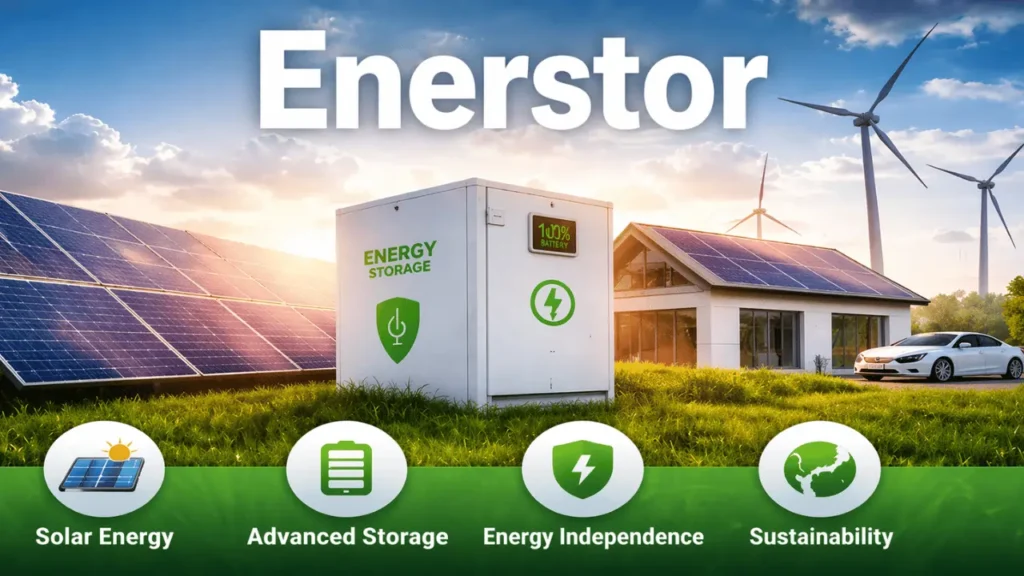
Energy storage is no longer optional; it’s a necessity for managing electricity efficiently. Enerstor provides advanced solutions to store surplus energy and release it when needed, helping households, businesses, and industrial facilities optimize energy use. By integrating with renewable sources like solar and wind, enerstor plays a pivotal role in reducing energy costs and stabilizing power grids.
What Enerstor Is and How It Works
Enerstor is a system designed to capture excess electricity generated during low-demand periods and deliver it when demand rises. Renewable energy sources, such as solar panels and wind turbines, often produce energy inconsistently. Enerstor solves this challenge by storing electricity safely in batteries or other storage media, ensuring continuous availability.
These systems can range from small home setups to large industrial installations, making energy storage scalable and adaptable to different energy needs.
Benefits of Enerstor for Homes
Lower Electricity Costs
By storing electricity during off-peak hours and using it during high-demand periods, enerstor helps homeowners reduce electricity bills. It maximizes the use of renewable energy generated on-site, decreasing reliance on the grid and avoiding expensive peak rates.
Backup Power
Power outages can disrupt daily life and damage sensitive electronics. Enerstor provides reliable backup power for essential devices, ensuring uninterrupted operation during emergencies.
Efficient Renewable Energy Use
Homeowners with solar panels or small wind systems can store excess energy produced during sunny or windy periods. Enerstor ensures this energy is not wasted, increasing self-consumption and reducing dependency on external electricity.
Enerstor in Industrial Applications
Reducing Peak Energy Costs
Industrial facilities often face high electricity costs due to peak energy usage. Enerstor allows factories and manufacturing plants to store electricity during low-demand periods and use it during peak hours, reducing overall energy expenditure.
Supporting Continuous Operations
In industries where downtime can be costly, enerstor ensures power reliability. Large-scale battery banks or modular systems deliver consistent electricity, preventing disruptions in production lines and sensitive processes.
Integrating Renewable Energy
Many factories are moving toward renewable energy. Enerstor enables smooth integration of solar and wind power into industrial operations, stabilizing supply even when renewable generation fluctuates.
Technologies Behind Enerstor
Enerstor systems use several technologies, each suitable for specific scenarios:
- Lithium-Ion Batteries: High energy density, widely used for homes, businesses, and industrial applications.
- Thermal Energy Storage: Stores electricity as heat for later use in heating systems.
- Flywheel Storage: Captures and releases kinetic energy for short-term power needs.
- Compressed Air Storage: Stores energy by compressing air into tanks or underground caverns.
- Pumped Hydro Storage: Uses water reservoirs to store energy by pumping water uphill and generating electricity when released.
Hybrid systems combining multiple technologies are becoming increasingly common, offering tailored energy solutions.
Advantages of Enerstor for Businesses
- Cost Savings: Reduces peak-hour energy costs by using stored electricity efficiently.
- Operational Security: Prevents downtime and power disruptions in critical operations.
- Grid Support: Large enerstor installations help balance electricity supply and demand, reducing stress on local grids.
- Sustainability: Maximizes renewable energy usage and decreases reliance on fossil fuels, contributing to environmental goals.
These benefits make enerstor a strategic investment for businesses aiming for long-term energy efficiency and reliability.
Future of Enerstor and Global Energy Storage
The demand for energy storage is rapidly increasing worldwide. Companies are developing larger, more efficient enerstor systems capable of supporting residential, commercial, and industrial energy needs. As renewable energy adoption rises, enerstor will become essential for smart grid management, energy independence, and sustainable growth.
Emerging trends include modular battery systems, hybrid storage solutions, and integration with energy management software, making enerstor more versatile and user-friendly.
FAQs About Enerstor
1. What is enerstor used for?
Enerstor stores electricity for later use, provides backup power, reduces energy costs, and supports renewable energy systems.
2. Can enerstor be installed in homes?
Yes, enerstor is suitable for residential use, especially for homes with solar panels or other renewable energy systems.
3. What types of technologies are used in enerstor systems?
Enerstor includes lithium-ion batteries, thermal storage, flywheel systems, compressed air storage, and pumped hydro storage.
4. How does enerstor help industries?
Enerstor reduces peak electricity costs, stabilizes power for continuous operations, and enables integration of renewable energy in industrial facilities.
5. Is enerstor environmentally friendly?
Yes, by maximizing renewable energy use and reducing reliance on fossil fuels, enerstor supports sustainability and reduces carbon emissions.
Read More: Aguaris: Key Personality Traits, Mythology, Love Matches and Career Paths